
This caravan power system upgrade case study shows why more battery wasn’t enough, and what the Elross Offroad Caravan - ECX19 owners still needed for off-grid camping.
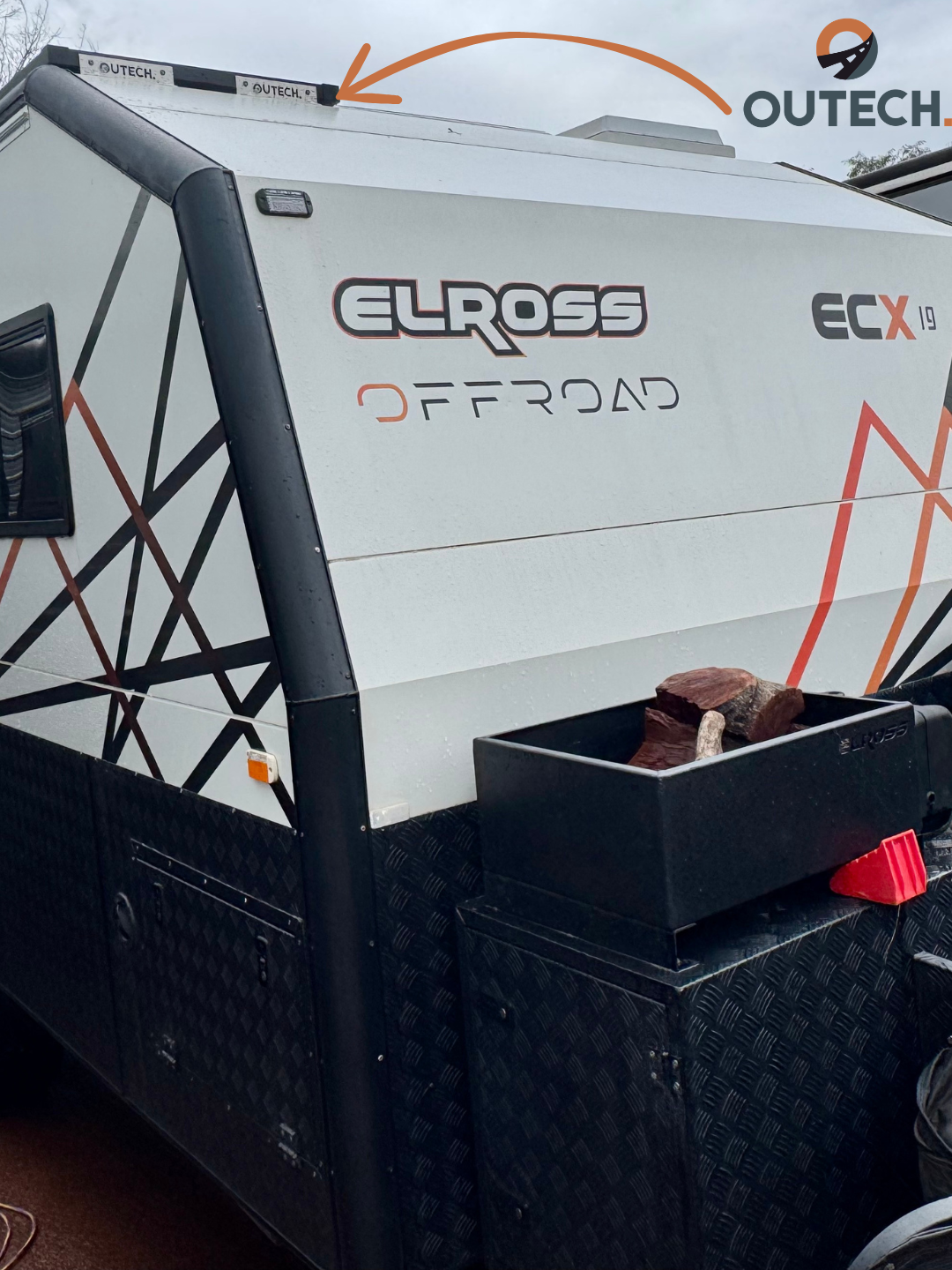
A caravan power system upgrade needs to balance battery storage with the charging sources, appliances and monitoring the owners rely on. In this Elross Caravan, a previous upgrade added a substantial lithium battery bank and a Victron solar regulator, but the owners still weren’t getting the off-grid performance they expected.
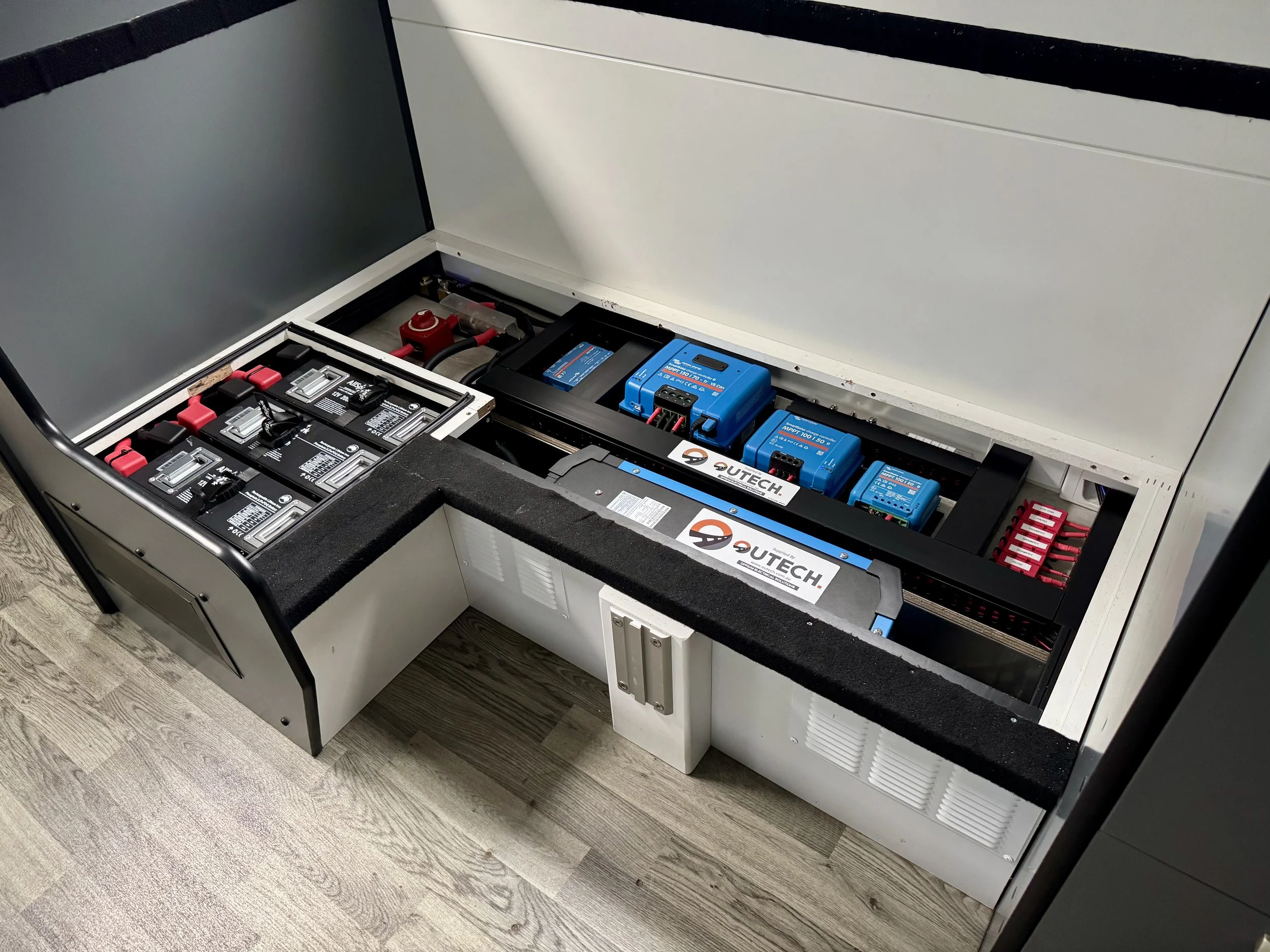
The accompanying photos show the system before Outech OffGrid’s rebuild. They tell an important part of the story: fitting quality batteries is only one part of designing a power system for the way a caravan is actually used.

Key takeaways
• The pre-rebuild setup included 3 × 200Ah AllSpark batteries, 540W of roof solar, a Victron MPPT 100/50 Charger, a Redarc Manager30 and a Redarc 3000W inverter.
• The owners wanted more dependable charging, a reliable power system, a way to connect portable solar, the ability to run their air conditioner while camping off-grid and simply confidence in the caravan power setup.
• Battery capacity, solar input, charging arrangements, appliance loads and monitoring need to be considered together. NOT as isolated upgrades.
Why the caravan power system upgrade did not meet expectations
The owners had already paid for an upgrade before bringing the Elross ECX19 Caravan to Outech OffGrid. Adding three 200Ah AllSpark batteries and a Victron MPPT 100/50 alongside the caravan’s existing 540W of roof solar, Redarc Manager30 and Redarc 3000W inverter.

Despite those quality components, the owners said the system still wasn’t delivering the charging performance they needed or expected for reliable off-grid camping. Their concern wasn’t simply a lack of stored battery capacity. The previous work had added storage and a solar regulator, but had not assessed or added further solar or charging changes to improve the system’s charging capacity for their needs.

That distinction matters. Batteries store energy; they don’t create it. A system also needs a practical way to replace the power used, based on the owners’ appliances, camping conditions and available charging opportunities. A larger battery bank may provide more stored energy, but it does not automatically increase the amount of energy collected each day. Nor does the component list alone prove which part was responsible for the shortfall: performance depends on how the whole setup is designed and used. The How to select reliable products for your caravan power set-up guide and How To Maximise Your Off-Grid Caravan Solar Setup guide both explain why battery capacity, solar generation, charging and electrical loads need to be considered as parts of the same system.
A caravan power system upgrade must match the way people camp
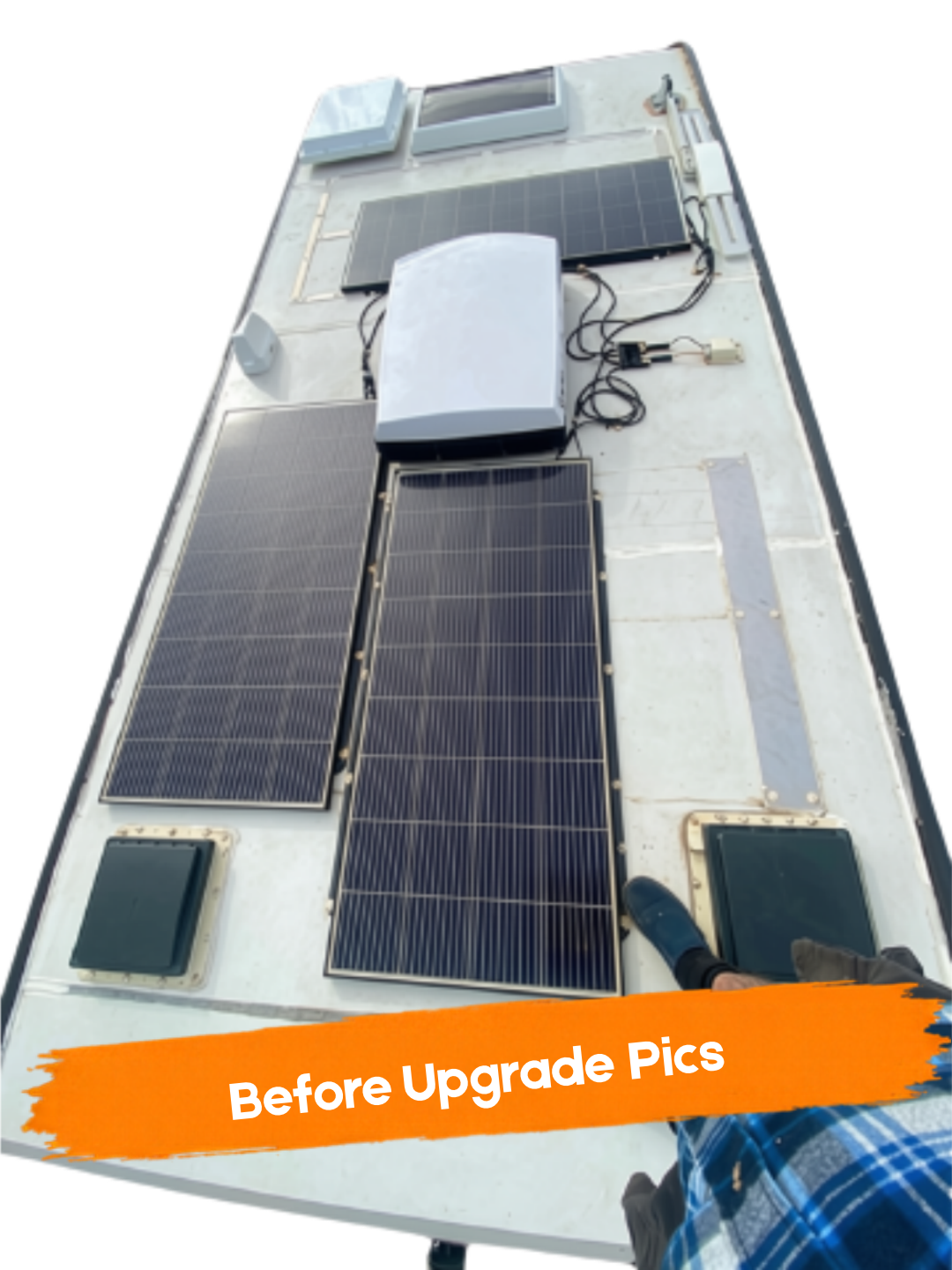
The Elross CaravanECX19’s owners had three clear requirements beyond adding battery capacity; they wanted reliability, to connect portable solar, and they wanted to run the caravan’s air conditioner off-grid. The existing setup did not give them the functionality or charging confidence they expected.

Those goals affect more than the battery size. Solar production changes with conditions, and roof space can limit how many solar panels can be added to a caravan. A portable solar connection needs to be part of the system plan too, so the owners can make use of portable panels when the setup and adapt to conditions. Charging from other sources can matter depending on how and where the owners travel. High-demand appliances also need to be considered alongside the rest of the system. NOT assumed to work just because a larger battery bank is installed. The Charging Caravan Battery from Tow Vehicle guide also identifies vehicle charging and 240V mains charging as possible parts of a caravan charging setup; which sources suit a particular van depends on its design and use.
There is no single equipment list that suits every caravan. As the Camping without Compromising Comfort guide notes, energy needs depend on the appliances people use and how they camp. The right design starts with those requirements, then considers how the system will store and replenish energy to support them.
Watch upgrade video HERE
Limited monitoring made camping feel like power management
The owners also found the monitoring too rudimentary to easily understand charging yields and power consumption. Without useful visibility into what was coming into and going out of the system, it was harder to know whether the setup was keeping up or what needed attention.

That uncertainty led them to micro-manage the power system instead of feeling confident it was working in the background. For people who have upgraded to enjoy more comfortable off-grid trips, constantly checking and managing power can become a distraction from the camping experience they were trying to improve.
Monitoring does not generate more power, but it can help owners understand how the system is performing and make better informed decisions about energy use. Depending on the equipment, useful visibility can include battery state of charge, charging status, solar input and electrical loads. The Unlocking the Power: Why Monitoring Your Caravan's Batteries is Essential for Your Adventures guide includes monitoring among the components to consider when planning a complete caravan power system.
What to consider before upgrading a caravan power system
Before adding another battery or component, write down what the system needs to do. Which appliances need to run? Is air conditioning part of the plan? Will portable solar be used? How will the batteries recharge in the conditions and places where the caravan travels? And can the owners easily see how much energy is being generated and used?
Those questions help turn an equipment upgrade into a system plan. In the Elross Offroad Caravan ECX19’s case, the owners were looking for more than additional battery capacity: they wanted practical charging options, off-grid functionality and clearer insight into system performance.
Caravan Power System Upgrade: Why More Battery Wasn’t Enough
This caravan power system upgrade video shows why more battery wasn’t enough, and what the Elross Offroad Caravan ECX19 owners still needed for off-grid camping.
The photos with this article show the 12V caravan power system before the rebuild. The forthcoming Elross OffRoad Caravan ECX19 episode will walk through what changed, along with the full breakdown and outcomes. Until then, the lesson from the before photos is straightforward: a bigger battery bank is only useful when the rest of the caravan power system is designed around the owners’ needs.
Here is a look at the caravan 12v lithium solar upgrade:
Outech OffGrid specialises in installing solar panels and lithium batteries for caravans, and motorhomes. We design and install both 12V, 24V, 48V and 240V power systems suitable for camping, touring, off-roading, and more.
Note sure where to start? Contact Outech OffGrid today!

Outech OffGrid specialise in calculating your caravan's power needs, helping you determine the exact number of solar panels for your caravan and the ideal size of your RV lithium battery bank to meet your power consumption requirements. Ensure your off-grid camping experience is efficient and reliable with our expert guidance on caravan solar solutions!